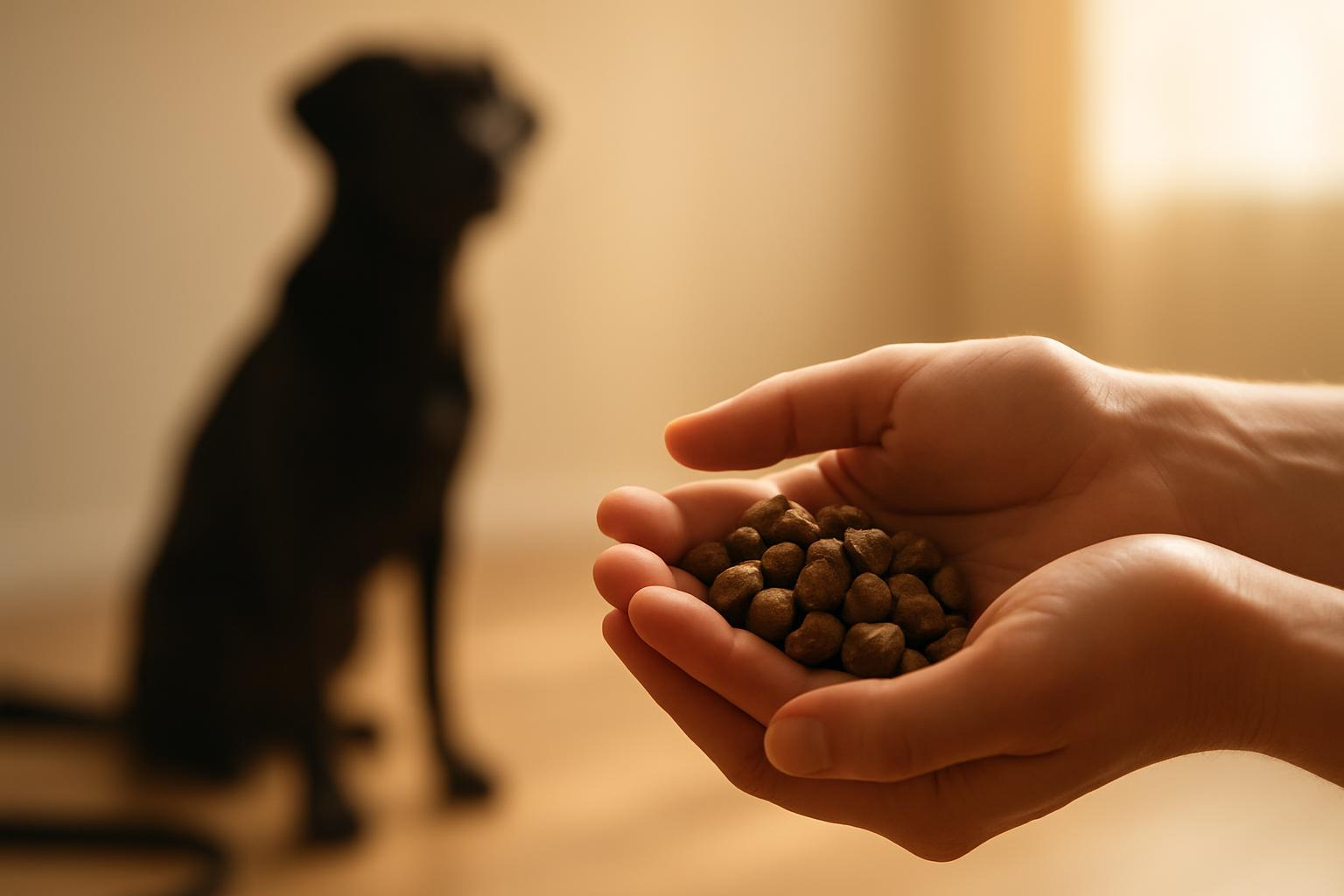
Living in Austin means lots of novelty: lively patios, festivals, scooters zipping by, summer thunderstorms, even the occasional marching band on South Congress. While many dogs adapt quickly, some become overwhelmed—barking at every noise, hiding from strangers, or trembling when left alone.
If your pup struggles with anxiety, you’re not alone. Calming an anxious dog isn’t about “toughening them up”—it’s about building confidence, one gentle step at a time. Here’s how I help families turn loud, stressful moments into opportunities for calm.
Understand Where Anxiety Comes From
The first step is detective work. Pinpoint when and where your dog gets nervous—city noises, storms, guests, or when you leave. Often, anxiety is rooted in not knowing what will happen next. Even calm dogs can get shaken up by sudden changes or new routines.
Try to observe and jot down triggers: Does barking spike with deliveries? Does your dog cower during fireworks or storms? These notes help you plan targeted, effective training (and remind you that progress may be gradual—and that’s okay!).
Counterconditioning in Real Life
The heart of modern training is “counterconditioning”—teaching your dog that the trigger (like a knock at the door, or thunder) predicts something amazing (cheese, a game, a special treat). Over time, your dog learns to expect good things, not panic.
For example: if your dog barks when you pick up your keys, start by jingling them for a split second and tossing a treat. Or during a gentle rainstorm, offer a chew toy or soft praise for every moment of quiet. Keep sessions short and upbeat—pressure is the enemy of progress.
Setting Up for Success—Not Just Hoping for It
Prevention is your best friend. Keep blinds closed during known fireworks. Give your pup a safe “den” space with their bed and favorite toy. Try “leave and return” exercises at random times to reduce the fuss around departures.
For severe cases—panic when alone, or any sign of self-harm—professional help is essential. But for most Austin families, these small tweaks and understanding strategies make a world of difference over a few weeks.
Conclusion: Your Calm Companion, Step by Step
Watching your anxious dog blossom is a victory worth every bit of effort. It’s not about quick fixes, but about building lifelong trust—at home, on walks, or even during Austin’s weirdest days. Each success, no matter how small, is a big win for your dog’s confidence (and your peace of mind).
Keep learning: Check out our leash training and puppy socialization guides—small daily wins add up to a lifetime of calm!