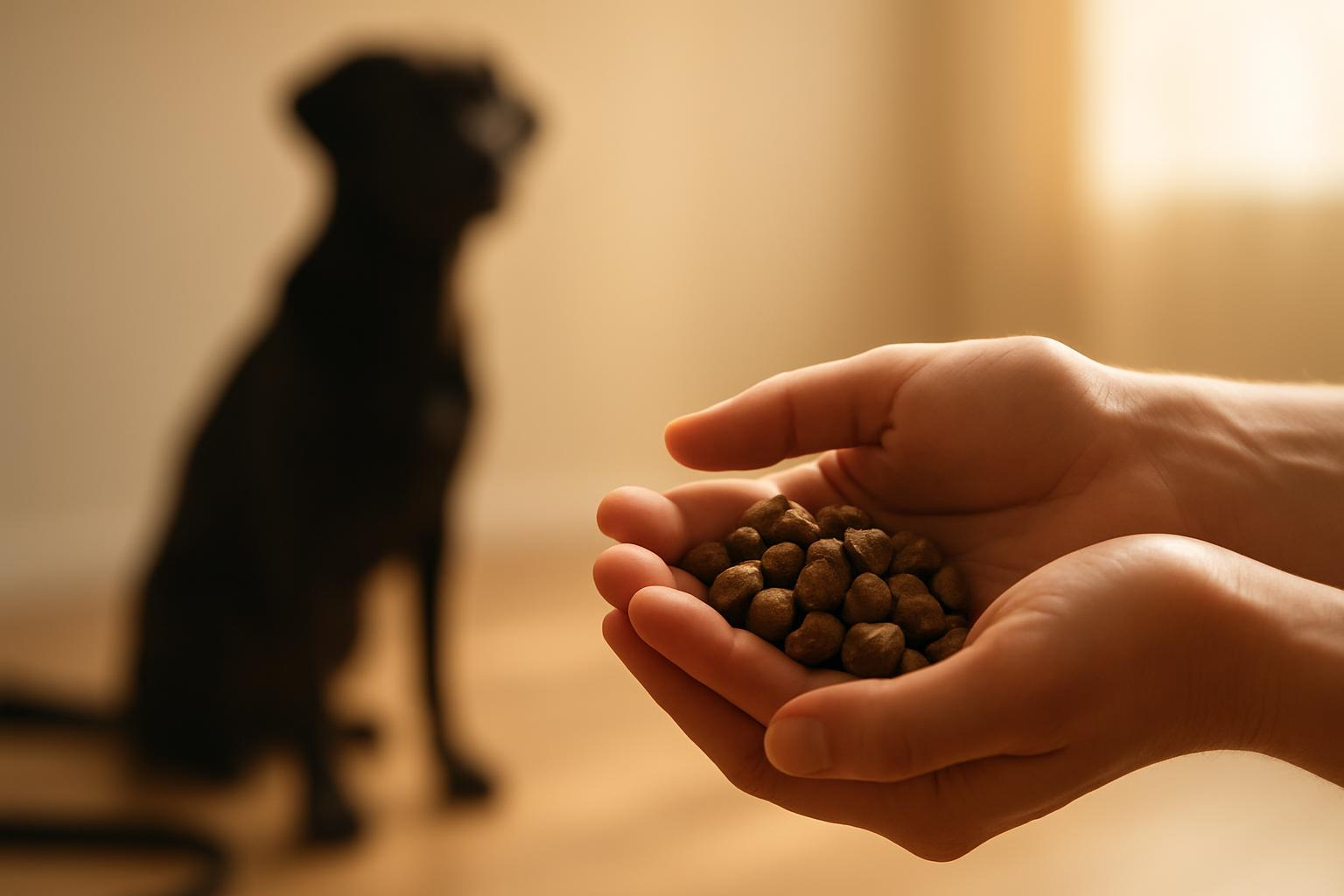
There’s nothing quite like the joyful chaos of welcoming a puppy into your Austin home—chewed flip-flops, exuberant greetings, that sweet face falling asleep with a toy in its mouth. But along with cuddles comes one of the most important jobs of all: socialization.
Socialization isn’t about simply meeting as many dogs as possible. It’s about giving your puppy positive experiences with new people, places, sights, and sounds. Do it well, and you’ll raise a confident companion who loves everything Austin has to offer—from bustling patios downtown to peaceful loops around Lady Bird Lake.
The “Socialization Window” — Timing Is Everything
Science tells us puppies are most receptive to new experiences between 3 and 16 weeks old. That means the clock starts ticking before you’ve likely finished vaccines. Don’t worry—safe, smart socialization is still possible, even for young pups.
Instead of waiting for “full shots,” focus on controlled environments: invite fully-vaccinated, friendly dogs over, carry your pup through the farmers market, or play near busy streets without setting paws on unfamiliar soil.
Quality Over Quantity — Go at Puppy’s Pace
Many new owners feel pressure to introduce their puppy to every person, dog, stroller, or skateboard they see. But what matters most is quality—each new thing should be paired with praise or treats, and never forced. A single, calm meeting with that musician on South Congress can do more than five stressful, rushed greetings.
Watch your puppy’s body language: loose tail, happy hops, and gentle curiosity mean you’re on the right path. If your pup seems unsure, move away, give space, and celebrate calm glances from a distance.
Mix Up the “Picture”—Not Just Dogs and People
Real socialization means more than dog parks or playdates. Include bikes, skateboards, buses, delivery folks, wheelchairs, umbrellas, crates, and elevators. Let your puppy hear thunder and city noises at a gentle volume, climb playground steps, or sniff bags at the grocery curbside.
Don’t forget about novel textures: different flooring, grass, ramps, vet scales, and even safe puddles! Each little win builds your puppy’s emotional “toolkit” for a lifetime.
Conclusion: Setting Your Austin Puppy Up for a Calm, Confident Future
There’s no such thing as “too late” to socialize—dogs of all ages benefit from new experiences. But early, positive learning shapes how your dog feels about the world forever. Make every introduction gentle, reward curiosity, and never rush your pup.
Austin adventures are better with a dog who trusts the world. Start slow, keep it joyful, and watch your puppy blossom with each new day beside you.
Curious about real-life leash lessons? Check out leash training tips or dive into our anxiety-calming guide below.